Contact lenses in Barking: what to expect from your first fitting
Estimated reading time 5 minutes
For many people, contact lenses feel like a big step. You might be comfortable in glasses but want more flexibility. You might play sport. You might simply prefer not wearing frames all day.
The hesitation usually comes from the unknown. How does a fitting work? Is it uncomfortable? Are lenses safe? What happens if you can’t get them in?
This guide explains what to expect from your first contact lens fitting in Barking, how the process works, and how to decide whether lenses suit your lifestyle.
Are contact lenses suitable for everyone?
Most people can wear contact lenses safely and comfortably. Suitability depends on:
- your prescription
- the health of your eyes
- tear quality
- how you use your eyes day to day
Strong prescriptions, astigmatism, and reading corrections can all be managed with modern lens designs. Even people who have been told in the past that lenses were not an option may find that technology has moved on.
If you are unsure what your current prescription means, this guide explains what your eye test prescription really means in plain terms.
What happens at a contact lens fitting?
A contact lens fitting is different from a standard eye test. It builds on your most recent examination and focuses specifically on lens choice and comfort.
If you have not had a recent eye test, that will usually come first. We explain what happens during an eye test if you would like to understand the process beforehand.
During the fitting appointment itself, the optician will:
- confirm your prescription
- assess the surface of your eyes
- measure the curvature of your cornea
- discuss your lifestyle and wearing pattern
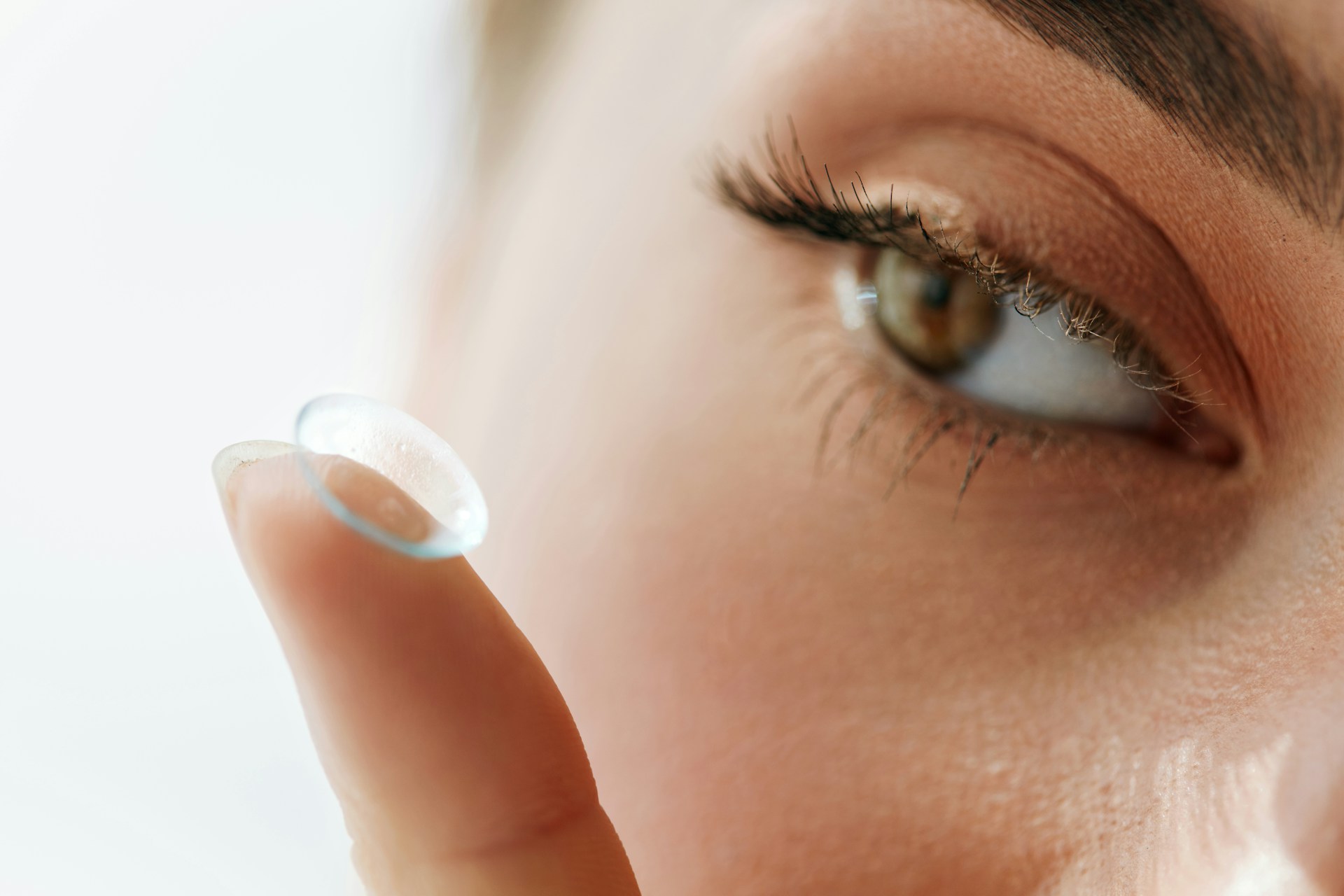
Trial lenses are then selected and inserted so that fit, movement, and clarity can be assessed.
You will not be sent away immediately. The lenses are checked on your eyes to ensure they sit correctly and allow enough oxygen through to keep your eyes healthy.
Will it hurt?
This is one of the most common questions.
Modern soft contact lenses are thin and flexible. Most people describe the first sensation as unusual rather than painful. Within a short time, many forget they are wearing them at all.
Some mild awareness during the first few days is normal. Proper fitting and instruction minimise discomfort.
If you regularly experience dryness or irritation, particularly after long days at a screen, it may be worth reading about digital eye strain, as this can influence lens choice.
Learning how to insert and remove lenses
You will not leave the practice until you feel confident handling your lenses.
Insertion and removal are taught step by step. Most people master the technique within the appointment or shortly afterwards at home.
It is normal to feel hesitant at first. That confidence builds quickly with repetition.
Hygiene is explained carefully. Clean hands and correct storage are essential for safe lens wear.
Types of contact lenses
There are several types of lenses available, and the right choice depends on how you plan to wear them.
Daily disposable lenses
Worn once and discarded. Convenient and hygienic. Popular for occasional or part-time wear.
Reusable monthly lenses
Worn daily and cleaned each night, then replaced monthly. Often cost-effective for regular wearers.
Toric lenses
Designed for people with astigmatism.
Multifocal lenses
Designed for people who need help with both distance and near tasks.
Your optician will recommend options based on your prescription and routine rather than pushing a single type.
Contact lenses vs glasses
Contact lenses and glasses do different jobs. Many people in Barking use both.
Lenses can be ideal for:
- sport
- social occasions
- wider fields of vision
- avoiding frame marks
Glasses may be preferable for:
- long screen sessions
- dry environments
- quick removal and rest
You do not need to choose one permanently. Many patients alternate depending on the day.
If you are weighing up comfort and practicality, our overview of frames and lenses explains how glasses fit into the wider picture.
Are contact lenses safe?
When fitted properly and worn as advised, contact lenses are safe.
Problems usually arise from:
- sleeping in lenses not designed for overnight wear
- poor hygiene
- wearing lenses longer than recommended
- skipping aftercare checks
Regular reviews ensure your eyes remain healthy and comfortable.
If you ever notice redness, pain, light sensitivity, or blurred vision that does not clear after removing lenses, seek advice promptly.
How much do contact lenses cost?
Cost depends on lens type and wearing schedule.
Daily disposables are generally more expensive per lens but convenient. Monthly lenses often reduce ongoing cost for full-time wearers.
During your fitting, costs are explained clearly so you can decide what suits your budget and routine.
When should you consider contact lenses?
You might benefit from a fitting if:
- you are active or play sport
- glasses feel restrictive
- you want more flexibility socially
- you are curious but unsure whether lenses would suit you
You do not need to commit immediately. A fitting appointment is about exploration and suitability, not obligation.
When you’re ready to try contact lenses or discuss whether they suit you, you can book an appointment locally at a convenient time.
Contact lenses are simply another way to support comfortable vision. The right fitting makes all the difference.

